

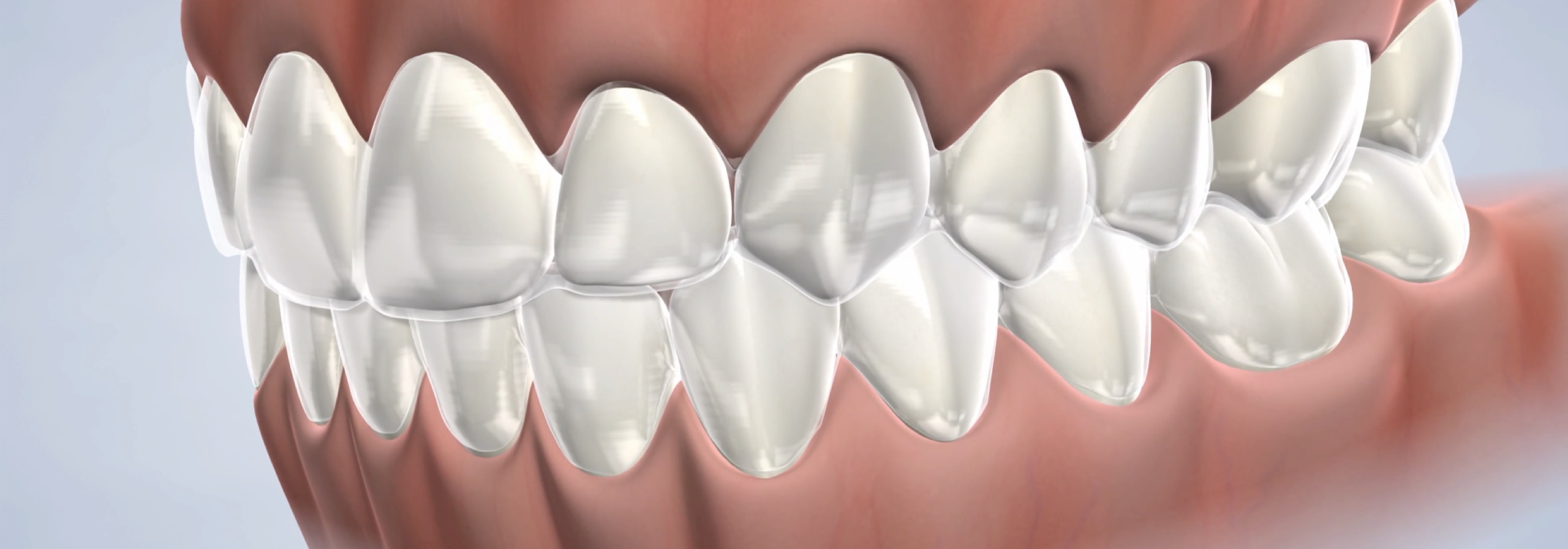
Invisalign® Clear Aligners in Omaha, NE
The Most Advanced Clear Aligner System
Straightening a smile should fit the person wearing it. For many teens and adults, Invisalign offers a discreet alternative to braces without fixed brackets, wires, or many of the food restrictions associated with them.
At Braces Omaha, board-certified orthodontist Dr. Clarke Stevens plans and monitors Invisalign treatment based on the patient’s teeth, bite, jaw relationships, oral health, and goals. The aligners provide the method of movement, but professional diagnosis and oversight determine whether that movement is appropriate.
Schedule a Complimentary Consultation
What Is Invisalign?
Invisalign is an orthodontic treatment that gradually moves teeth using a prescribed series of clear, removable aligners. Each aligner is custom-made to apply controlled pressure to specific teeth according to a treatment plan created and supervised by an orthodontist.
The aligners are worn throughout the day and night and removed for meals, oral hygiene, and certain activities. Small tooth-colored attachments may be placed on selected teeth when additional control is needed.
What Can Invisalign Correct?
Invisalign can treat many alignment and bite concerns, including crowded teeth, gaps, crooked or rotated teeth, overbites, underbites, crossbites, and open bites. It may also correct teeth that have shifted after previous orthodontic treatment.
The severity and cause of the problem matter. Some complex tooth movements, impacted teeth, or significant jaw discrepancies may be managed more predictably with braces, another orthodontic appliance, or coordinated surgical care. Dr. Stevens will compare the appropriate options and explain which approach offers the best clinical fit.
Is Invisalign Right for Me?
Invisalign may be appropriate for teens and adults whose orthodontic concerns can be treated effectively with clear aligners and who are prepared to wear them consistently.
Candidacy depends on tooth and gum health, dental crowding or spacing, bite alignment, jaw relationships, growth, previous dental work, and the complexity of the required movements. Dr. Stevens also considers whether the patient can manage removable aligners responsibly.
Because Invisalign is removable, daily participation directly affects progress. Frequently leaving the aligners out may cause treatment to fall behind the prescribed plan or create a need for additional correction. A consultation is the only reliable way to determine whether Invisalign, braces, or another treatment is appropriate.
How Does Invisalign Work?
Invisalign treatment begins with an orthodontic diagnosis and continues through digital planning, active tooth movement, progress monitoring, and retention.
Consultation and Digital Scanning
Dr. Stevens examines the teeth, bite, and jaw relationships and discusses the patient’s goals. Braces Omaha uses 3D scanning and digital impressions to create an accurate digital model without conventional impression material.
These records allow Dr. Stevens to plan the sequence of movement and evaluate the anticipated result before the aligners are ordered.
Customized Aligner Treatment
Patients receive a series of aligners, with each set representing the next planned stage of movement. Dr. Stevens determines how long each set should be worn and when the patient should advance to the next one.
Tooth-colored attachments may be bonded to selected teeth to help the aligners apply force more precisely. When crowding limits the available space, interproximal reduction may be considered. This technique removes a very small amount of enamel between specific teeth and is performed only when clinically appropriate. Any preparatory treatment will be explained in advance.
Progress Visits and Refinements
Periodic appointments allow Dr. Stevens to confirm that the aligners fit correctly and that the teeth are moving as planned. Treatment may be adjusted if progress differs from the original projection.
Some patients require refinement aligners near the end of treatment to complete remaining movements. Refinements are a normal part of clear aligner care and do not necessarily indicate that treatment has failed.
Retainers After Invisalign
Retainers help preserve the finished alignment after active treatment. Teeth can continue to shift throughout life, so wearing a retainer as directed is an important part of maintaining the result.
What Are the Benefits of Invisalign?
Invisalign combines discreet treatment with flexibility in daily life. The clear aligners are less noticeable than metal braces and can be removed for meals, brushing, and flossing. Because no fixed brackets or wires are present, patients can continue eating their usual foods and may experience less appliance-related irritation.
Clear aligners also have limitations. Attachments may be visible at close range, temporary pressure is expected, and the trays must be worn consistently. They can be lost, damaged, or stained, and they may not provide the most predictable option for every orthodontic problem.
What Is It Like to Wear Invisalign?
Most patients need a short adjustment period when treatment begins. The aligners may initially feel tight, speech may sound slightly different, and a new set may cause temporary pressure or tenderness.
Aligners should be removed before eating and before drinking anything other than plain water. After meals, patients should clean their teeth when practical before reinserting the trays. This reduces the chance of trapping food, sugar, and acid against the enamel.
When not being worn, aligners should be stored in their protective case. Patients participating in contact sports should remove them and use an appropriate mouthguard. Removing the aligners briefly for a special event is possible, provided the prescribed daily wear remains consistent.
Review the practice’s Invisalign care instructions for additional guidance.
Invisalign for Teens and Adults
Invisalign can provide a less noticeable orthodontic option at different stages of life, but treatment considerations vary.
For teens, Dr. Stevens evaluates dental development, jaw growth, bite concerns, oral hygiene, and the ability to manage aligner wear. Removable trays may be convenient for sports, performances, photographs, and meals, but that flexibility requires responsibility.
Adults may seek treatment for long-standing alignment concerns, bite problems, or teeth that shifted after earlier orthodontics. Existing crowns, bridges, implants, gum health, and planned dental work may influence the treatment plan.
Invisalign for teens and Invisalign for adults.
Why Choose Braces Omaha for Invisalign?
The value of Invisalign depends heavily on who plans and supervises treatment. Dr. Clarke Stevens is certified by the American Board of Orthodontics and has extensive experience evaluating tooth alignment, bite mechanics, jaw growth, and facial development.
Dr. Stevens previously served as an Assistant Professor of Orthodontics at the University of Nebraska, where he founded and directed the Dentofacial Program for patients requiring orthodontics and jaw surgery. This background supports a broader view of treatment, particularly when an apparent tooth-alignment concern is connected to the bite or underlying jaw relationships.
The Braces Omaha team also emphasizes clear explanations and a welcoming patient experience. Patients should understand why treatment is recommended, what daily participation requires, and what Invisalign may realistically accomplish before deciding to proceed.
How Long Does Invisalign Take?
Invisalign treatment time varies according to the starting alignment, bite, complexity of movement, biological response, and consistency of wear. Limited corrections may require less time than comprehensive treatment involving the full bite.
Dr. Stevens can provide an estimated timeline after completing the examination and digital treatment plan. The estimate may change if teeth respond differently than anticipated, aligners are not worn consistently, or refinements are required.
How Much Does Invisalign Cost in Omaha?
Invisalign cost depends on treatment complexity, anticipated duration, and the services included in the plan. Orthodontic insurance benefits may reduce the patient’s responsibility, but coverage varies by policy.
Braces Omaha offers complimentary consultations and financing options for qualifying patients. After the evaluation, the team can explain the recommended treatment, estimated cost, insurance considerations, and available payment arrangements.
Invisalign Before and After
The smiles below belong to Braces Omaha patients who completed Invisalign treatment with Dr. Stevens. Every case is different, and results vary from patient to patient. Select a number to view each transformation.
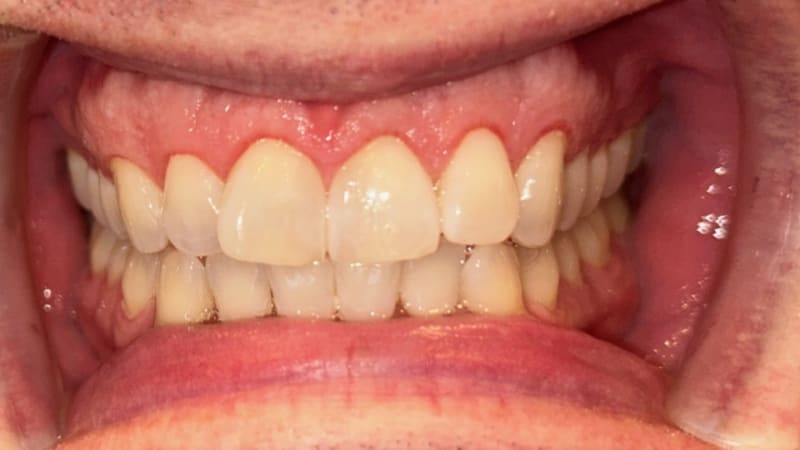
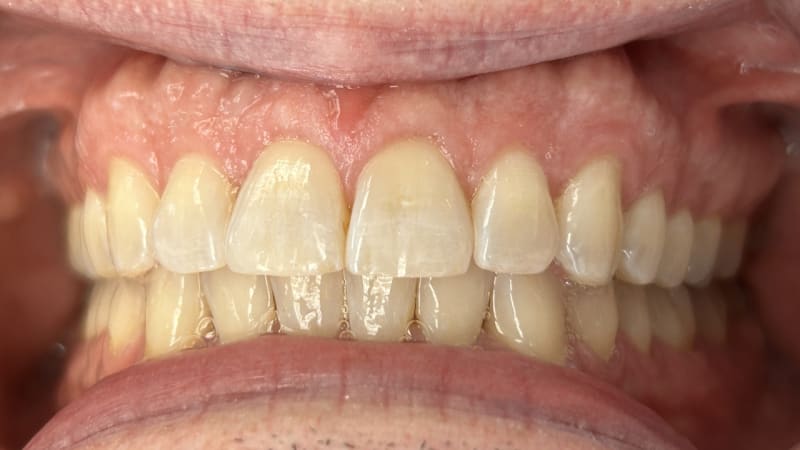
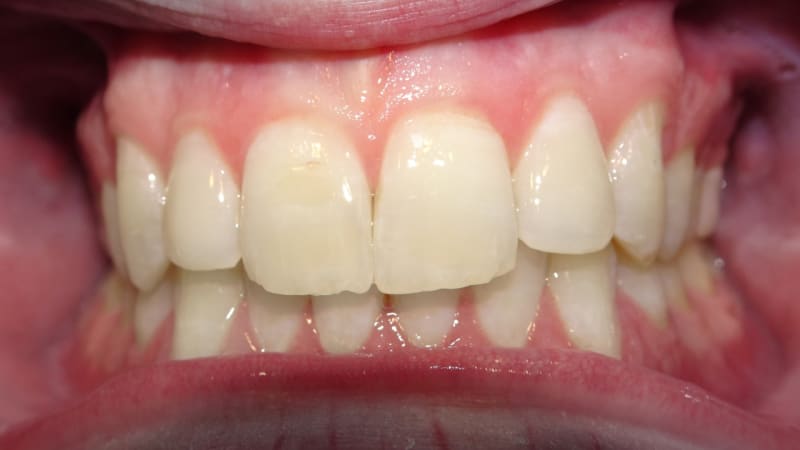
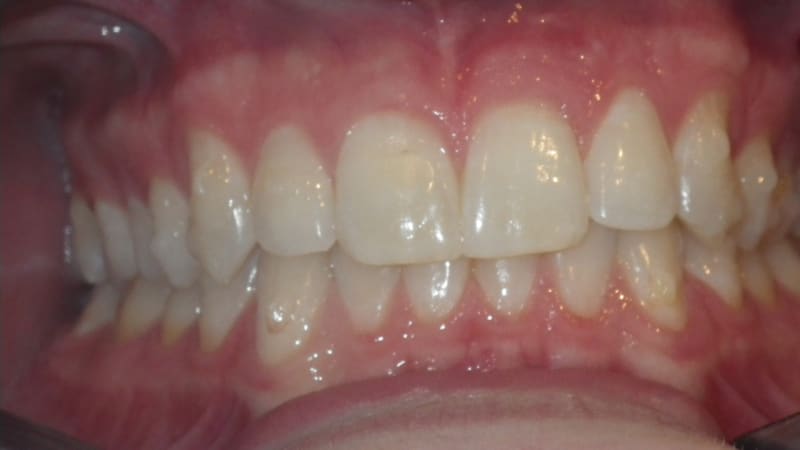
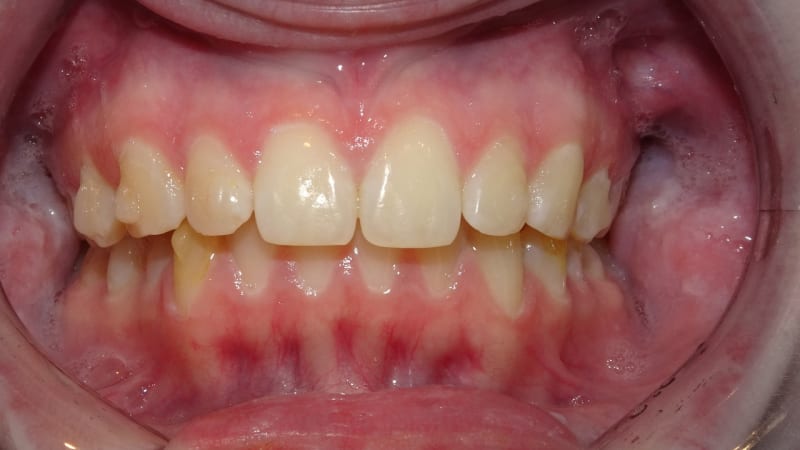
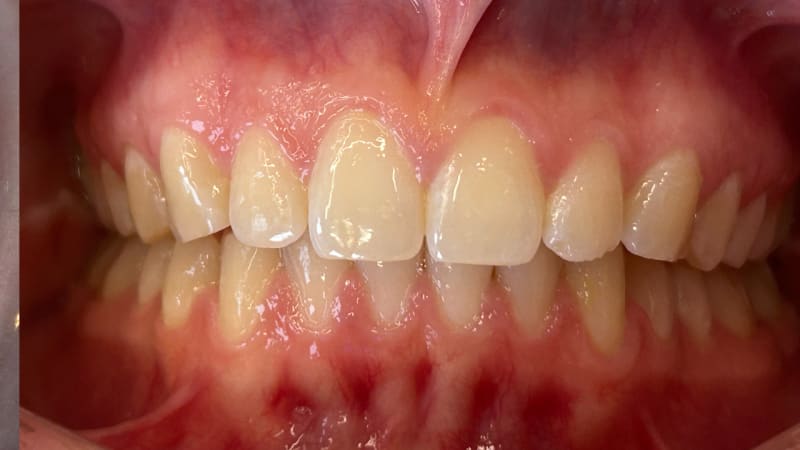
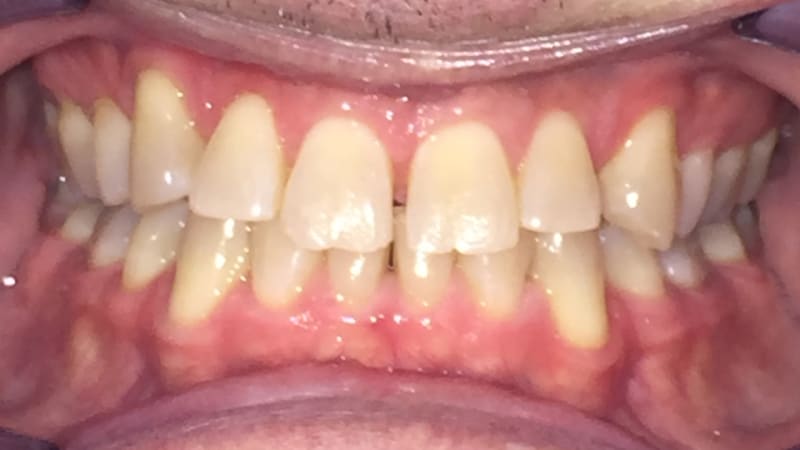
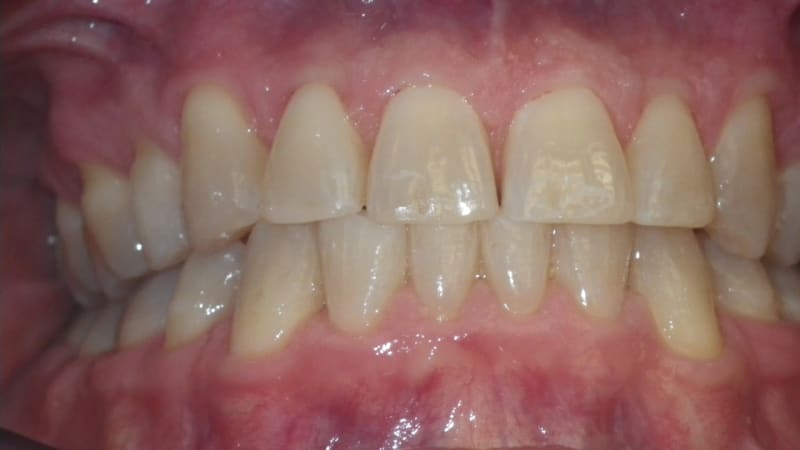
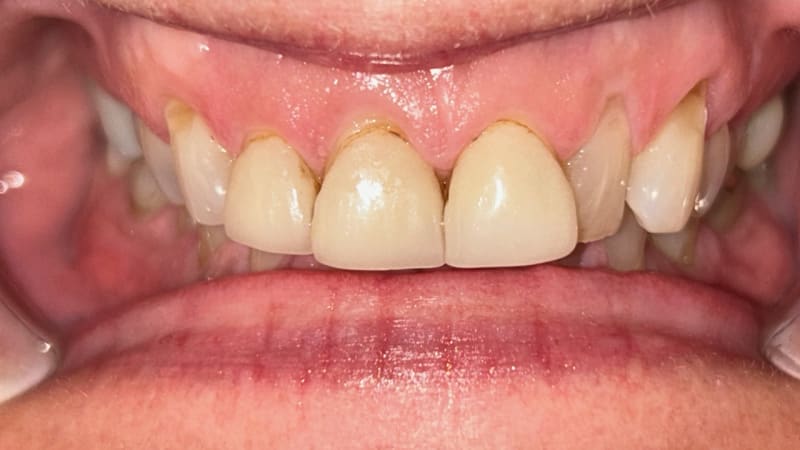
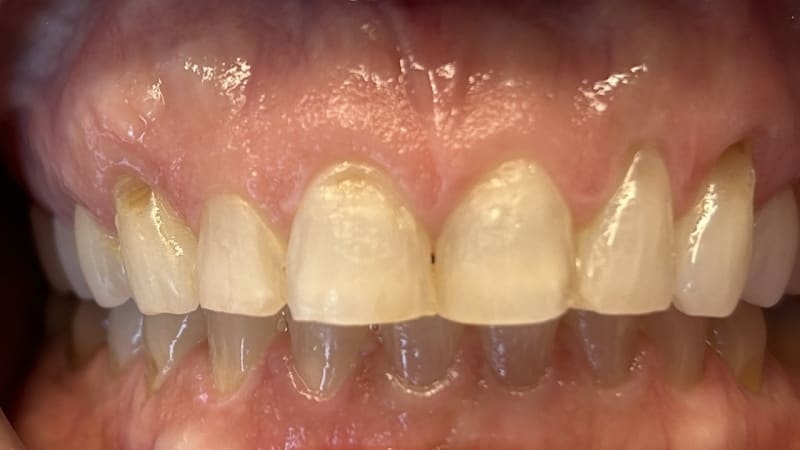
Invisalign Patient Stories
Real patient experiences can make orthodontic treatment easier to understand. Jeff’s Invisalign story describes his experience receiving treatment for crowding and an underbite. Ardyth’s story offers an adult patient’s perspective on incorporating clear aligners into daily life.
Every orthodontic case is different, and individual experiences do not predict another patient’s treatment or outcome.
Schedule a Complimentary Invisalign Consultation in Omaha
The right question is not simply whether Invisalign is available. It is whether clear aligners are the most appropriate way to correct the teeth and bite.
During a complimentary consultation, Dr. Stevens will evaluate the concern, compare treatment options, explain what Invisalign would require, and provide an individualized cost estimate.
Schedule a complimentary Invisalign consultation with Braces Omaha or call (402) 334-7339. Braces Omaha is located at 16161 Cass Street, Suite 100, Omaha, NE 68118.
Hear From Our Patients




Frequently Asked Questions About Invisalign
How many hours per day should I wear Invisalign?
Aligners should be worn according to the schedule prescribed by Dr. Stevens, generally throughout the day and night. They are removed for meals, drinks other than water, brushing, and flossing. Consistent wear is necessary for the teeth to follow the planned sequence.
Can I eat with Invisalign aligners in?
No. Remove the aligners before eating to prevent cracking, distortion, and staining. Drinking beverages other than water while wearing them may also trap sugar or acid against the teeth. Clean or rinse the teeth and aligners before reinsertion when practical.
Is Invisalign painful?
Invisalign may cause temporary pressure or tenderness, especially when treatment begins or a new aligner is introduced. Severe or persistent pain is not expected. Contact the practice if an aligner has a sharp edge, does not fit correctly, or causes discomfort that does not improve.
Is Invisalign faster than braces?
Not automatically. Treatment time depends on the orthodontic problem, required movements, biological response, and patient cooperation. Invisalign may be efficient for an appropriate case, while braces may provide more predictable control for another. Dr. Stevens will recommend the option best suited to the diagnosis.
Will I need a retainer after Invisalign?
Yes. Retainers are necessary after Invisalign because teeth can move after active orthodontic treatment. Dr. Stevens will recommend a retainer and wear schedule based on the completed correction and stability of the result.
A Happier Smile Starts Here
We’re a family-friendly practice that provides optimal orthodontic care in a comfortable, approachable setting. To learn more about your treatment options for yourself or your child, we encourage you to contact Braces Omaha to schedule a complimentary consultation.